Film & Slide Scanning Services
Bring new light to your dormant negatives and slides. Using professional high-definition scanning up to 6400dpi, we vividly reproduce the atmosphere of the moment and convert your analog treasures into digital data for future generations.
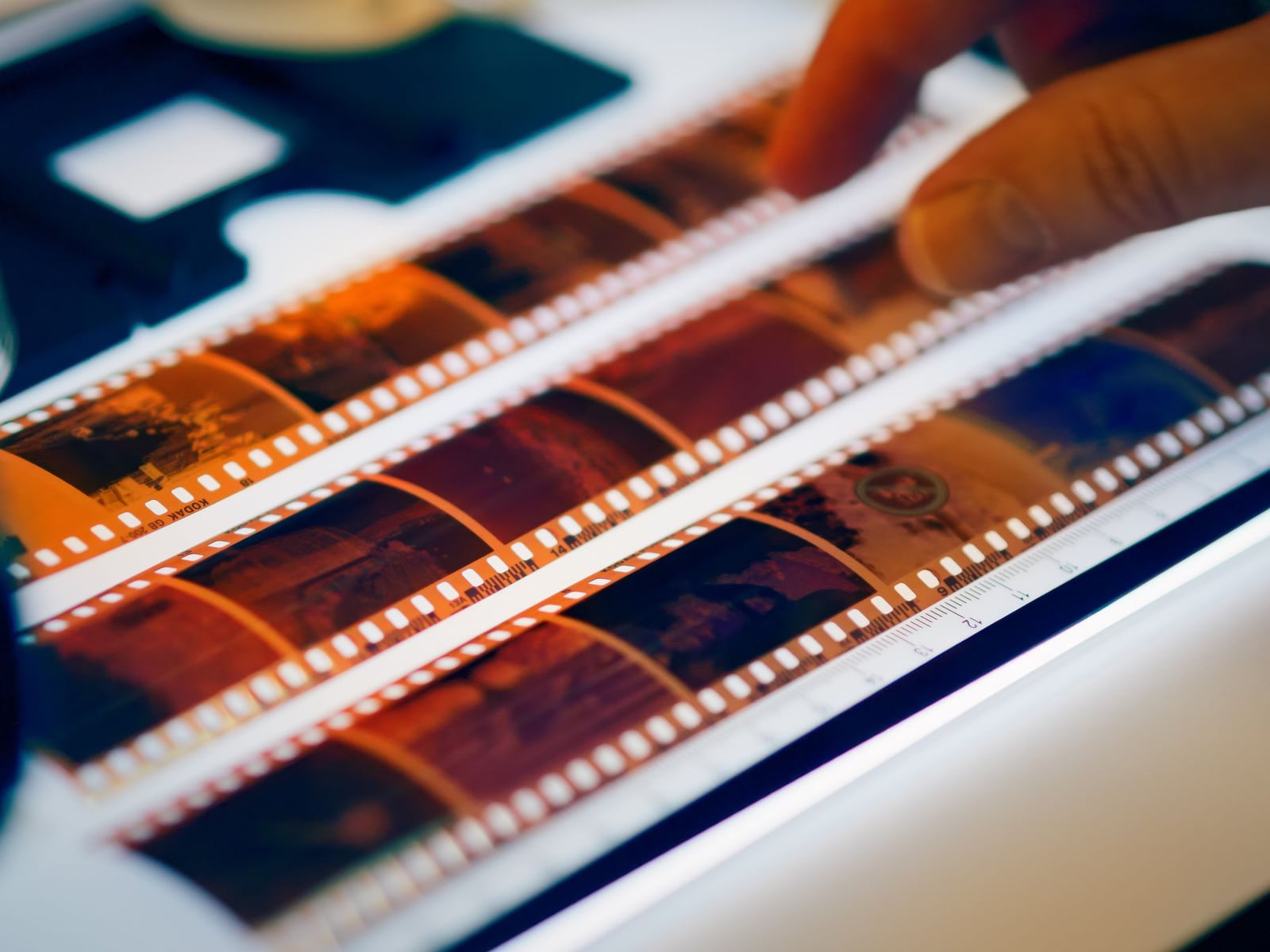
Many of us have 35mm films, medium format negatives, and travel slides tucked away in old albums or storage boxes. Over time, these analog media are subject to chemical degradation, such as vinegar syndrome, which can render them permanently unviewable. While the lifespan of physical film is limited, professional digitization removes the anxiety of decay, allowing you to enjoy your family history on smartphones, tablets, and computers.
At Jungliryze, we treat digitization as an act of archiving rather than simple copying. To preserve the unique grain and tonal range of the original film, we utilize professional-grade scanners and perform meticulous individual adjustments for every frame. Based in our Sapporo studio, we ensure your precious memories are transitioned into modern digital formats with the utmost care and precision.
The Digitization Process
1. Intake & Inspection
We verify the condition of the film (checking for mold, dust, or curling) and create a detailed inventory list to ensure every frame is accounted for.
2. Pre-Cleaning
Before scanning, we use specialized air dusters and non-contact cleaning methods to remove micro-debris, ensuring a clear image with minimal noise.
3. High-Resolution Scan
We set the optimal resolution based on the film format, prioritizing color accuracy and dynamic range to capture the full depth of the analog original.
4. Tonal Correction & Delivery
We optimize exposure and color balance, then save the files in your preferred format (JPEG/TIFF) for secure delivery and long-term storage.
Who This Service Is For
Our services are designed for clients who prioritize quality over mere convenience. This includes families wishing to organize ancestral negatives to share with younger generations, photographers reconstructing their early portfolios, and collectors who want to preserve the immense detail of medium format film in a digital environment.
Additionally, for those who no longer own a slide projector or find it difficult to view old positives, digitization is the most effective solution. By converting slides one by one, we can apply precise cropping and color correction, optimizing the images for modern high-resolution displays.
Technical Precision and Quality
The most critical aspects of film scanning are ensuring a wide dynamic range and achieving precise resolution. Our equipment supports scanning up to 6400dpi, allowing us to capture the image at the grain level. This ensures that the resulting digital files are high enough in quality to support large-scale professional printing.
Medium format films, in particular, offer an overwhelming amount of visual information. By securing a high pixel count, we preserve the delicate rendering captured by legendary cameras like Leica or Hasselblad. During the negative-to-positive conversion process, we avoid artificial contrast, pursuing a natural tonal expression that remains true to the original scene.
How to Prepare Your Materials
To ensure a smooth workflow and the safety of your archives, we request that you prepare your materials in the following manner:
- Films should be kept in their original holders or film canisters.
- Slides should be provided within their mounts.
- If specific frames are a priority, please include a written note with the order.
- For shipments, please use sufficient cushioning to prevent the film from bending or cracking during transit.
Please note that if the film has severe mold or is physically fused together, forcing a scan could cause permanent damage. In such cases, we will perform a preliminary diagnosis and propose a rescue plan based on the actual condition of the media.
Deliverables and Final Output
Depending on your specific needs, we provide the following delivery options:
- JPEG Format: Lightweight and universal, ideal for social media, email sharing, and quick viewing.
- TIFF Format: Uncompressed, high-quality data suitable for long-term archival and professional photo editing.
- Delivery Media: Files can be saved to a USB flash drive or provided via a secure cloud storage download link.
- Original Return: All original films and slides are handled with care and returned to the client in full.
Turnaround Time and Pricing Logic
Our standard turnaround time is approximately 10 business days from the date of receipt. However, for very large volumes or requests for advanced color grading, additional time may be required. If you have an urgent deadline, we offer expedited processing for an additional fee.
Pricing is calculated based on the film format (35mm vs. medium format) and the total number of frames. A consumption tax (消費税) of 10% is added to the base price. For a detailed explanation of how we calculate costs, please visit our Digitization Pricing Guide.
What is Not Included
To maintain transparency, please be aware that the following are not covered by the basic scanning fee:
- Physical chemical cleaning or specialized restoration of severely damaged film.
- Advanced digital retouching, such as removing people from photos or composite background editing.
- Physical album creation or traditional photo printing services.
- Duplication of commercial photographs that may violate copyright laws.
If you require these specialized services, please contact us for a custom quote or explore our Image & Audio Restoration options.
Pricing Table
| Format | Price (Incl. Tax) | Price (Excl. Tax) | Unit |
|---|---|---|---|
| 35mm Film / Slide | 250円 | 227円 | 1 frame |
| Medium Format Film | 600円 | 545円 | 1 frame |
※Prices include 10% consumption tax (消費税). Please contact us for bulk order discounts.
Frequently Asked Questions
My old films have some mold; can they still be scanned?
Minor mold can often be managed during the scanning process to minimize its impact on the final image. However, if the mold has deeply penetrated the emulsion, we will perform a diagnosis first to avoid damaging the film. Please refer to our "Saving Moldy Film" guide for more details.
Can I specify the scanning resolution?
Yes. We can adjust the resolution from standard archival quality to ultra-high resolution for large-format printing. If no specification is provided, we use our recommended optimal resolution for the specific format.
How are the original films returned to me?
You can collect your originals in person at our Sapporo studio, or we can return them via courier. For shipping, we use secure methods with included transit insurance to ensure your archives arrive safely.
Before placing an order, please review our Terms of Service. We look forward to helping you preserve your most cherished memories in a permanent digital form.